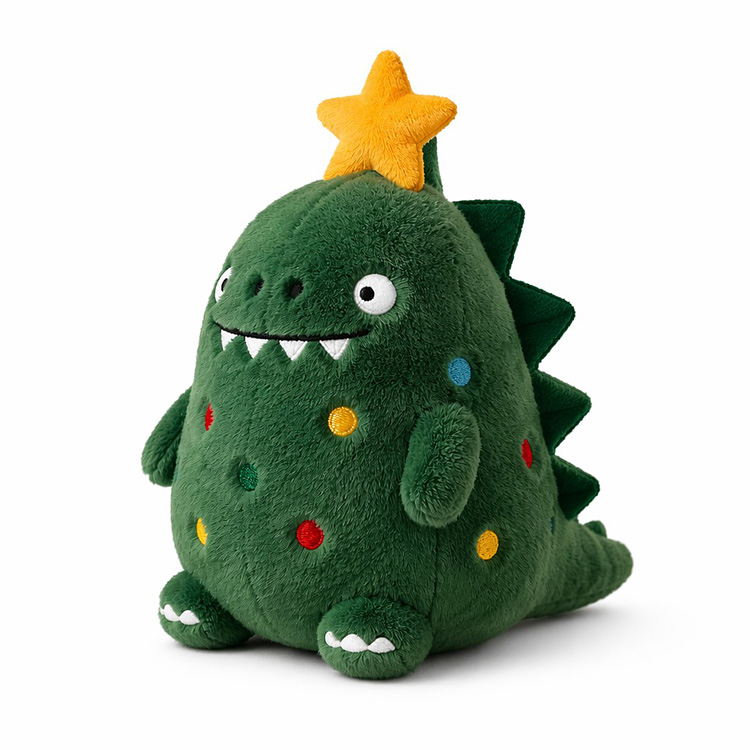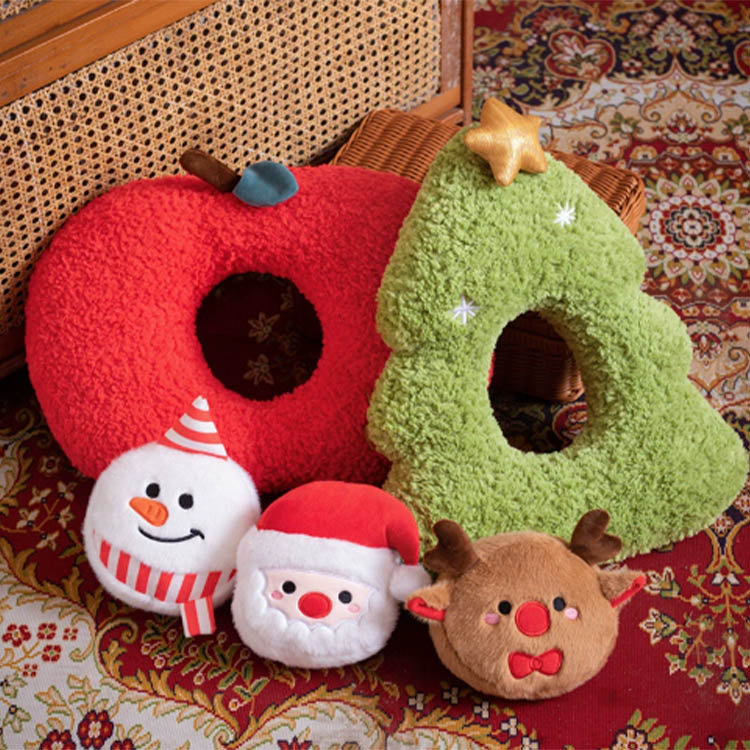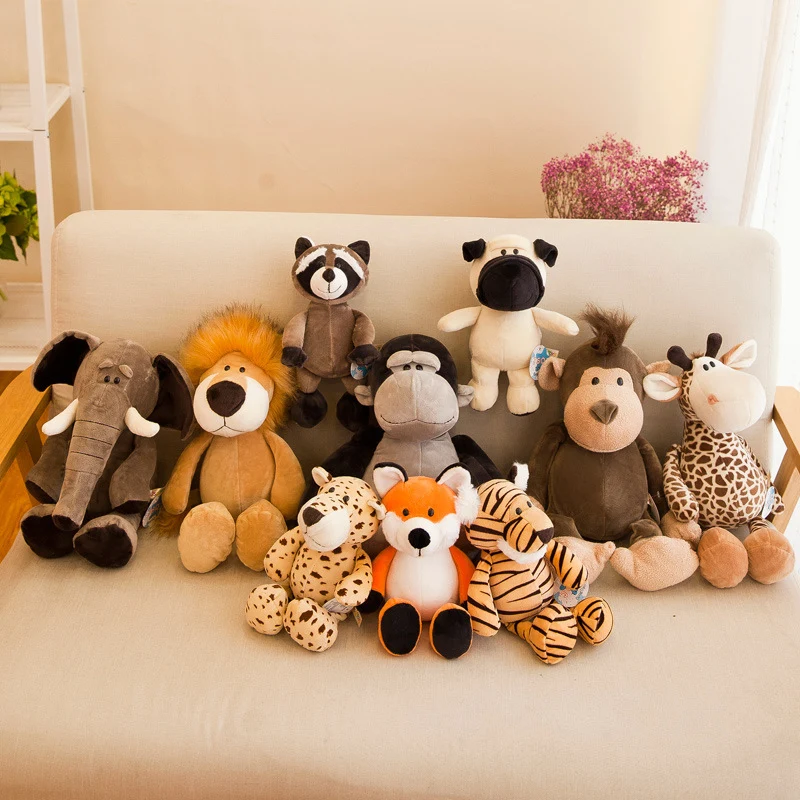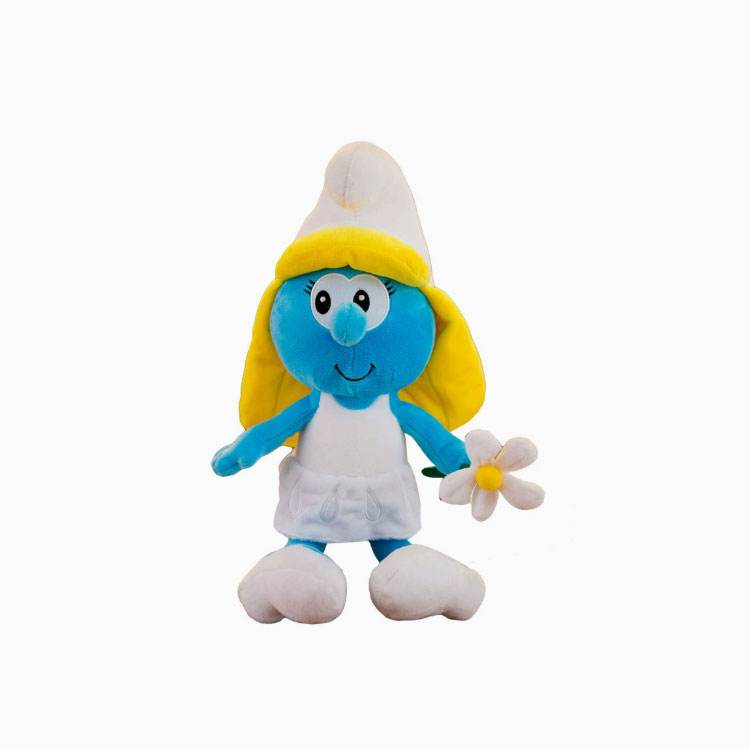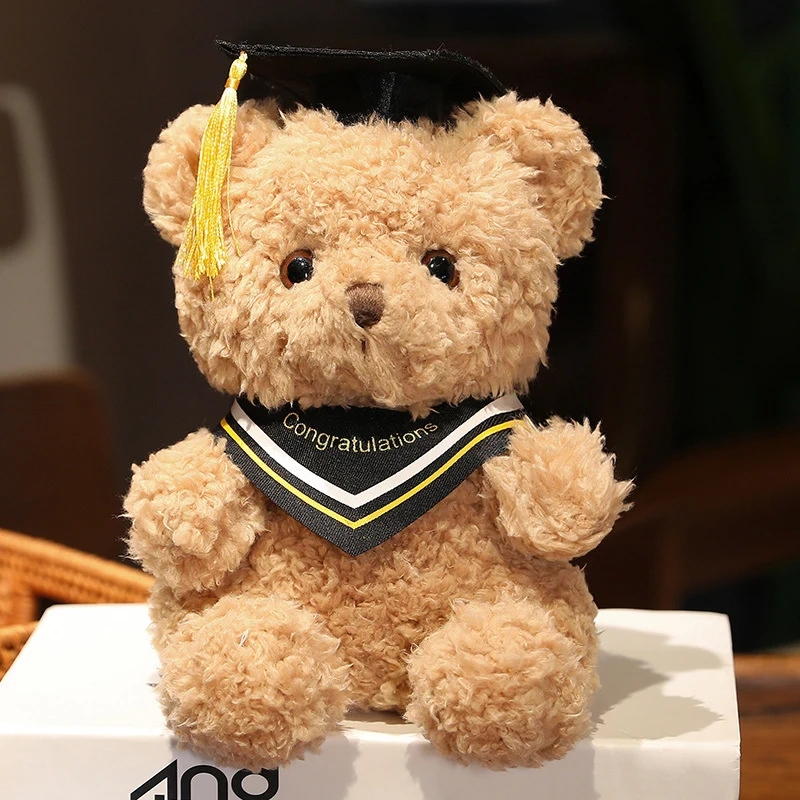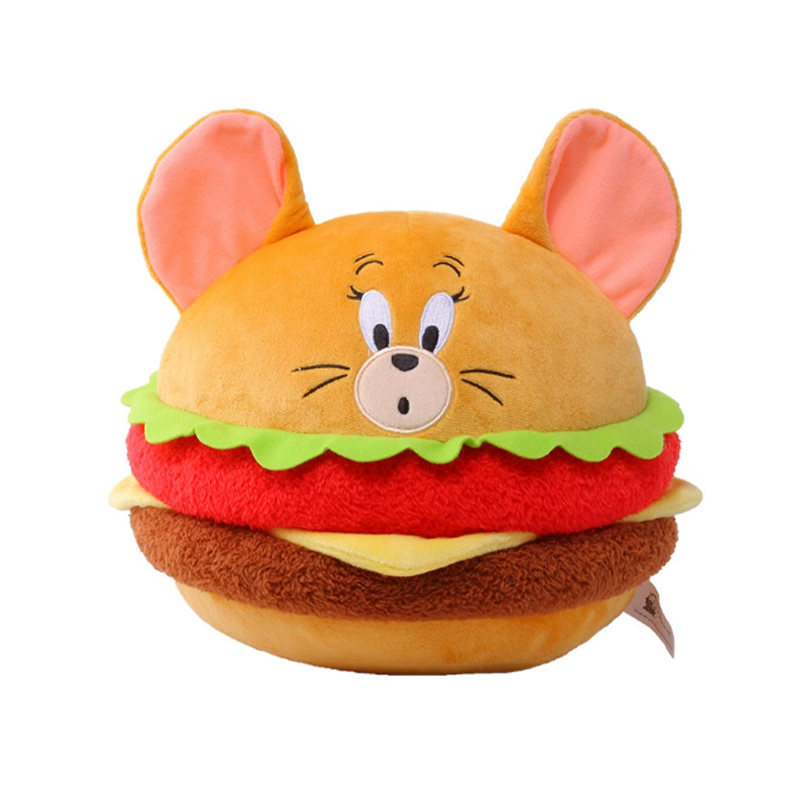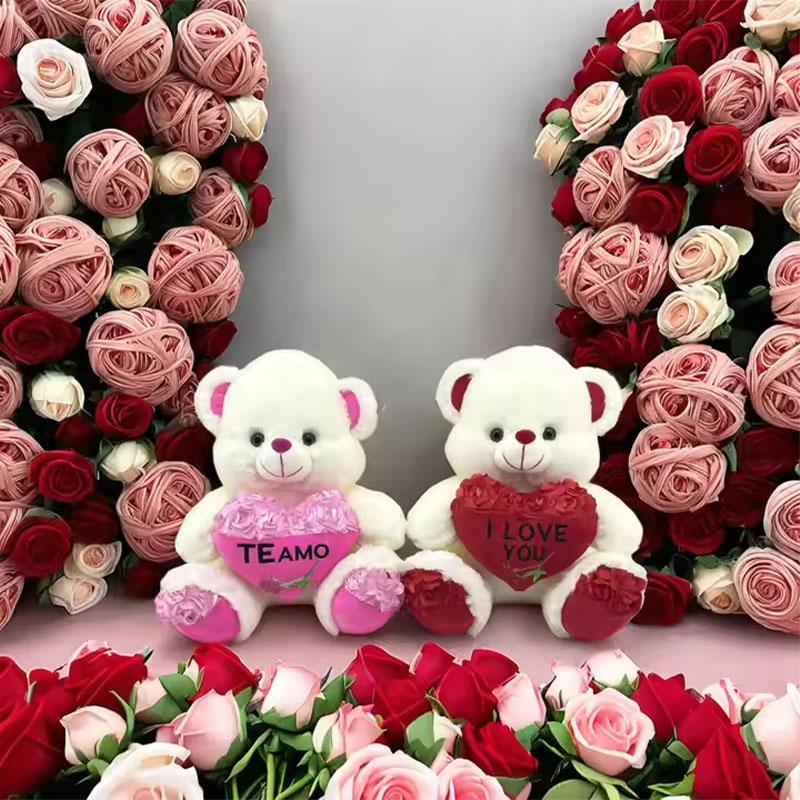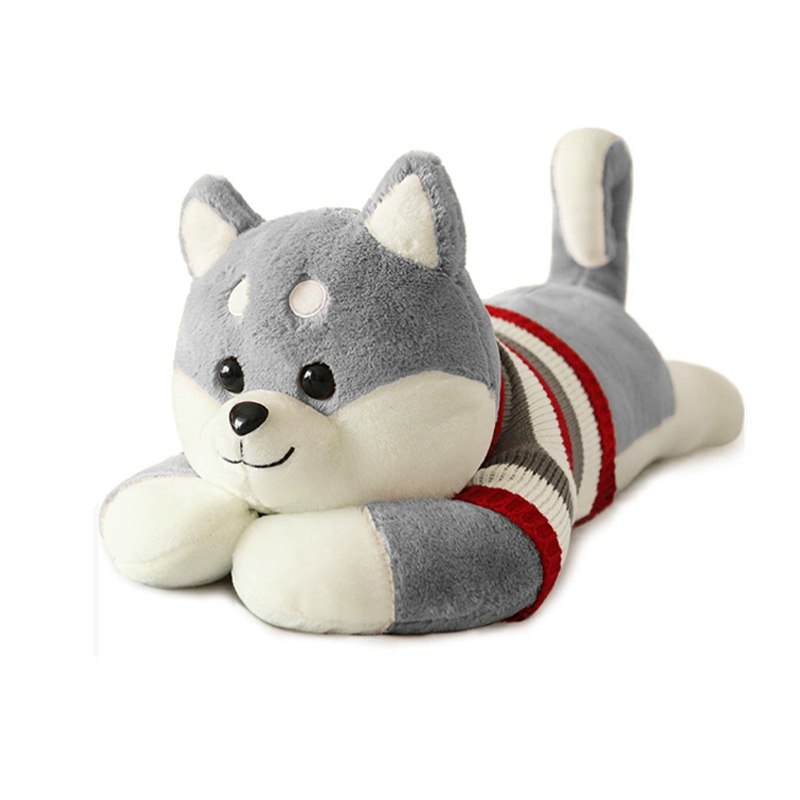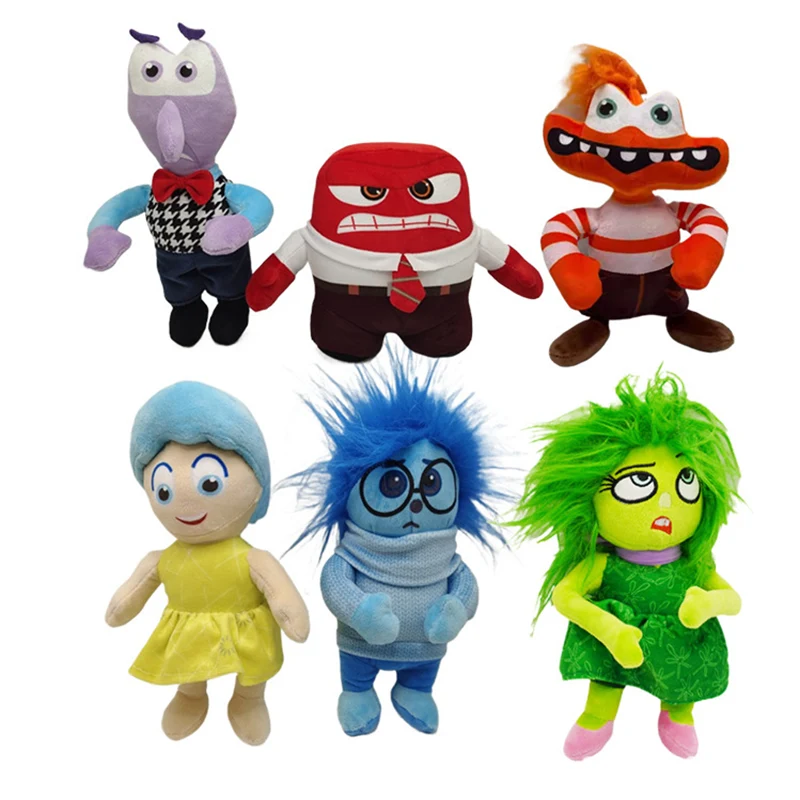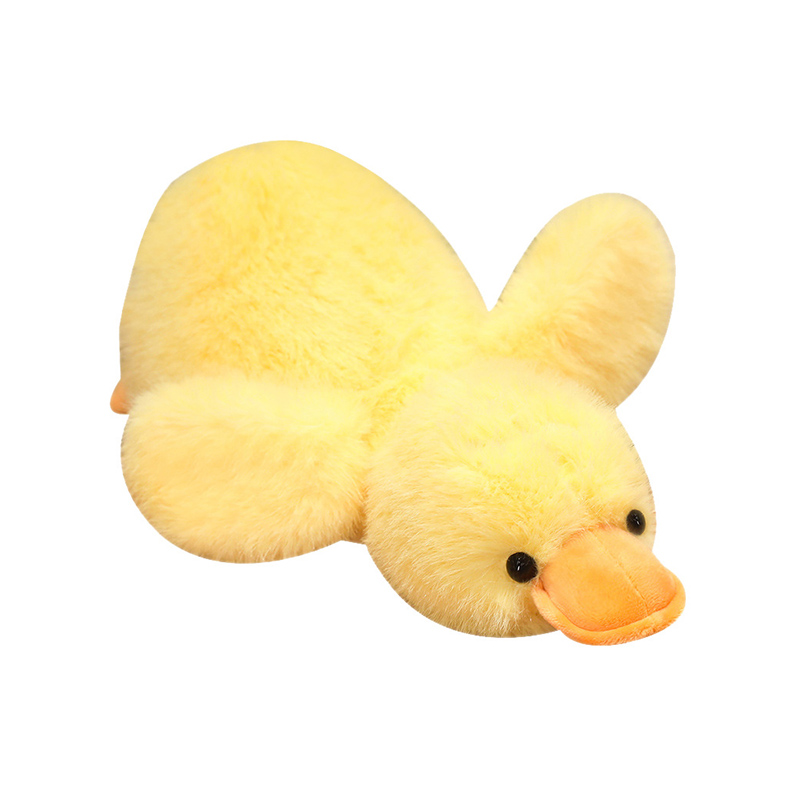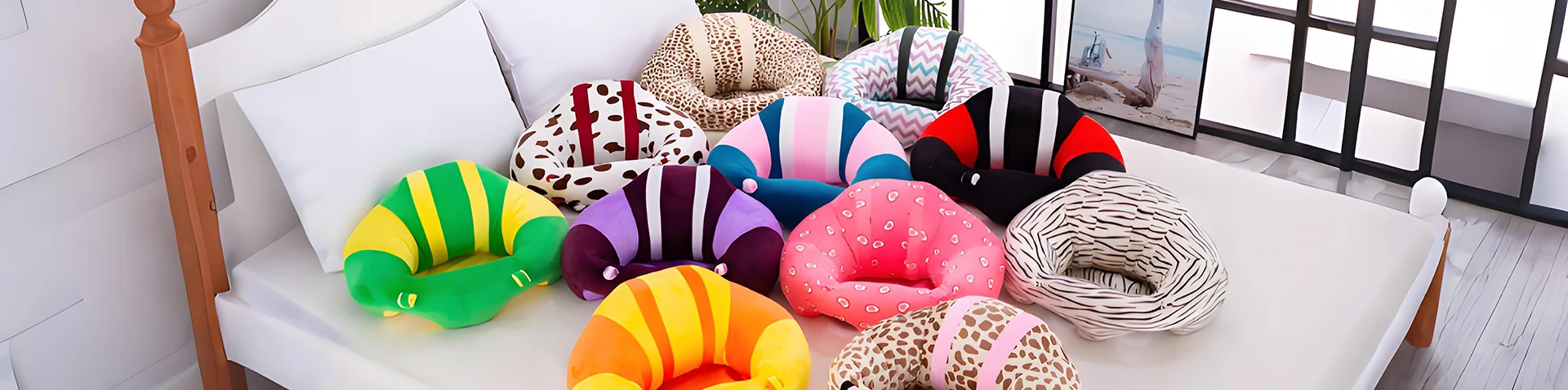
Baoding Yuankang Toy Manufacturing Co., Ltd. has long observed how material density shapes the comfort and durability of Cartoon Plush Toys, especially when balancing softness with structural form in daily use environments. In modern plush design, stuffing density is not just a production variable but a key factor influencing how a toy feels, ages, and maintains its identity over time.
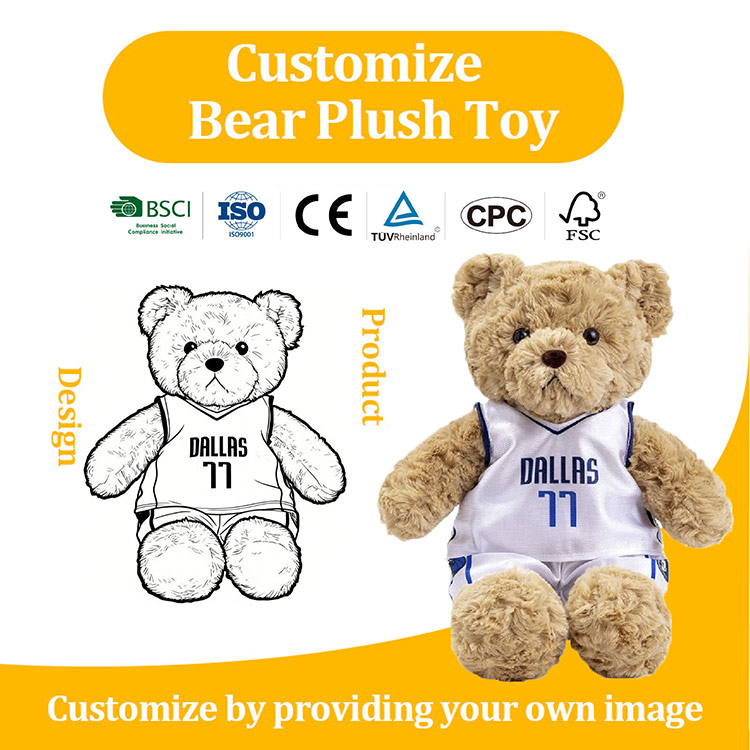
Inside every plush toy lies a quiet engineering decision: how tightly the filling is packed. This determines whether a toy feels cloud-like, firm, or somewhere in between. For families, designers, and collectors, these differences are often felt before they are understood.
In the development of plush products at Baoding Yuankang Toy Manufacturing Co., Ltd. and its creative label Zebraparty Toys, stuffing density is treated as a controllable "comfort language" that changes depending on purpose, usage scenario, and even cultural preference.
Three common user experiences are often linked to stuffing density:
- Toys losing shape after repeated hugging or compression
- Plush feeling too rigid and losing its emotional softness
- Uneven filling creating lumps or hollow zones
These issues are especially noticeable in mass-distributed Cartoon Plush Toys, where consistency becomes as important as design creativity.
Stuffing density typically falls into three functional ranges, each influencing tactile response and structural stability differently.
| Density Level | Tactile Feeling | Shape Retention | Common Use Scenario |
| Low Density | Very soft, compressible, "cloud-like" | Weak, deforms easily | Decorative items, light comfort toys |
| Medium Density | Balanced softness with resilience | Stable under regular use | Daily companion plush items |
| High Density | Firm, structured, slightly rigid | Strong, long-lasting shape | Display models, collectible series |
A frequent misconception is that more stuffing always improves quality. In reality, excessive density can compress fibers too tightly, reducing elasticity and making the toy feel unnatural to touch.
Most modern plush toys rely on polyester fiber fillings such as PP cotton. The behavior of these fibers under pressure determines how quickly a toy "recovers" after being squeezed.
In well-balanced Cartoon Plush Toys, fibers are arranged in micro-air pockets. These pockets allow the toy to breathe structurally—compressing when hugged and slowly returning to shape afterward.
When density is too low:
- Air pockets dominate structure
- Shape collapses under minor pressure
- Long-term storage deformation increases
When density is too high:
- Airflow between fibers is restricted
- Surface becomes stiff and less responsive
- Touch experience becomes less natural
This balance is particularly important in children's plush items, where both comfort and durability are expected simultaneously.
Plush toys are often part of sleep routines, play environments, and emotional comfort systems. Density directly affects how users interact with them over time.
For example:
- A low-density toy may feel comforting initially but flatten quickly after repeated hugging.
- A high-density toy maintains appearance but may feel less emotionally "soft."
- A medium-density structure tends to maintain equilibrium between appearance and comfort.
This is why many design teams working on Cartoon Plush Toys test multiple stuffing ratios before finalizing a model.
A major challenge in plush design is "shape memory"—the ability to return to original form after being compressed in packaging or during transport.
Compression tests often reveal:
- Loose filling leads to uneven rebound
- Overpacked filling slows recovery time
- Balanced filling maintains symmetry after deformation
These behaviors are not only aesthetic concerns but also influence product lifecycle perception.
Instead of using a single uniform density, many modern plush designs adopt layered filling structures:
- Outer layer: softer fiber for touch comfort
- Inner core: denser fiber for shape stability
This hybrid approach is widely applied in character-driven Cartoon Plush Toys, especially those with exaggerated facial expressions or complex body shapes.
Different parts of a plush toy require different support levels:
- Head: medium-high density for facial definition
- Limbs: low density for flexibility
- Torso: medium density for structural balance
This zoning approach reduces deformation while preserving softness where it matters most.
| Observed Issue | Likely Density Cause | Functional Effect |
| Flat body after use | Too low overall density | Loss of visual volume |
| Hard surface feel | Excessively high density | Reduced tactile softness |
| Uneven lumps | Inconsistent stuffing distribution | Poor visual symmetry |
| Slow shape recovery | Over-compressed fiber packing | Delayed rebound effect |
Understanding these relationships helps explain why two visually identical plush toys can feel completely different in hand.
In large-scale production environments operated by Baoding Yuankang Toy Manufacturing Co., Ltd., stuffing density is also linked to compliance and safety performance. Certified materials such as CE, CPC, and REACH-compliant fibers are selected not only for regulatory alignment but also for predictable physical behavior under compression.
Eco-friendly fiber selection, including recyclable filling materials, also influences density behavior. Sustainable fibers often have slightly different rebound characteristics compared to traditional stuffing, requiring adjusted density calibration during design.
Different regions show distinct preferences in plush density perception:
- In warmer climates, softer and lighter plush textures are preferred
- In colder regions, slightly firmer toys are often associated with durability
- Gift-oriented markets tend to prefer medium-density balance for visual appeal
These variations have shaped how Cartoon Plush Toys are adapted for global distribution, where the same character design may have multiple density configurations depending on destination preferences.
Stuffing density is not a background technical detail but a defining factor in how plush toys behave, feel, and maintain their structure over time. From softness perception to long-term shape stability, it quietly determines the user experience in everyday interaction. Through controlled density design and layered filling approaches, modern plush development continues to refine both comfort and durability, as seen in production practices at Baoding Yuankang Toy Manufacturing Co., Ltd. and its Zebraparty product line Zebraparty Toys, where Cartoon Plush Toys are developed with attention to both tactile experience and structural consistency.