As seasonal decorations and holiday gifts continue to evolve, soft textile products are receiving attention for their ability to combine decorative appeal with everyday comfort. Among these festive items, the Christmas Mitten Plush Toy represents a product category that brings together traditional winter imagery, soft materials, and playful Christmas-inspired design. Its mitten shape is closely associated with cold-weather clothing, making it a recognizable symbol of the winter holiday season.
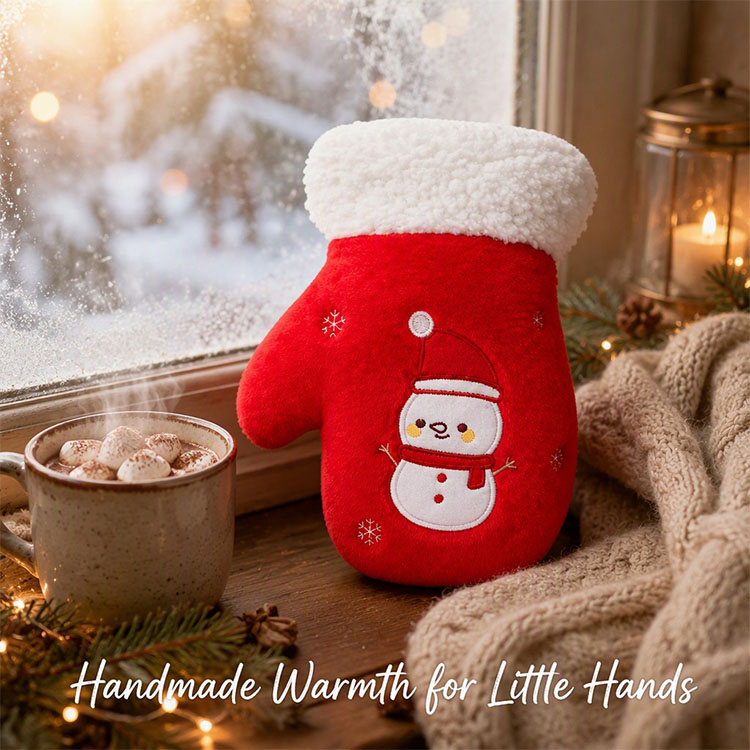
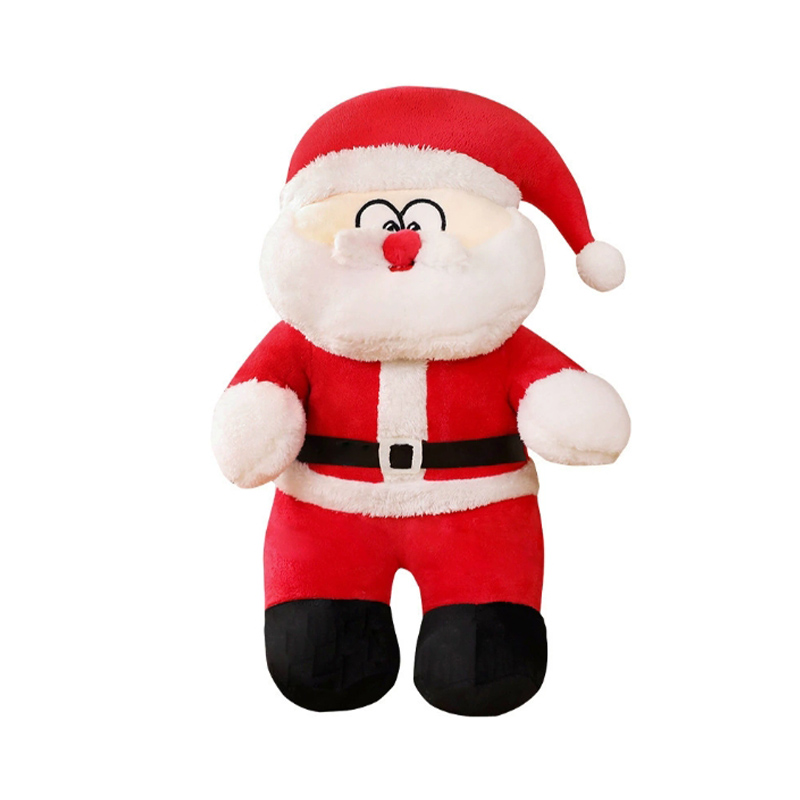
Christmas product design often draws inspiration from familiar seasonal symbols, including snowflakes, Christmas trees, reindeer, Santa Claus, and winter clothing. Mittens are particularly suitable for festive designs because they naturally represent warmth, protection, and winter activities.
By translating this familiar clothing shape into a plush toy, designers can create an item that communicates a seasonal theme through its silhouette alone. Common decorative elements may include red and green fabric, white cuffs, embroidered snowflakes, small decorative buttons, and festive character details.
These design choices allow manufacturers to explore different visual styles while maintaining the recognizable appearance of a Christmas mitten. Some designs focus on simple shapes and traditional colors, while others incorporate facial expressions, character-inspired details, or contrasting textures.
Material selection is an important consideration in plush toy manufacturing. The outer fabric influences the product's softness, visual texture, durability, and overall appearance. Common textile options include polyester plush, short-pile fabrics, fleece, and other soft synthetic materials.
For a Christmas Mitten Plush Toy, the choice of fabric should correspond with its intended application. Short-pile plush can provide a smooth surface for embroidery and printed details, while longer-pile materials create a fuller and more textured appearance.
The filling material also affects the finished product. Polyester fiberfill is commonly used in plush manufacturing because it provides a lightweight structure and allows toys to maintain their general shape. Consistent filling distribution, secure stitching, and properly finished seams are important factors in maintaining product quality.
Manufacturers also need to consider the attachment of decorative components. Buttons, ribbons, embroidered details, and other small elements should be evaluated according to the intended age group and applicable toy safety requirements.
The versatility of mitten-shaped plush products makes them suitable for several holiday-related settings. In residential environments, they can be placed on shelves, sofas, beds, or Christmas display areas as seasonal decorations. Their soft construction also makes them visually compatible with other fabric-based holiday accessories.
In retail environments, these products may be included in Christmas merchandise collections, gift displays, and seasonal window arrangements. Their recognizable winter shape makes them easy to incorporate into themed presentations alongside stockings, plush snowmen, and other festive ornaments.
Gift packaging is another relevant consideration. A compact plush mitten can be presented as an individual seasonal gift or incorporated into a larger Christmas gift set. Depending on its size and construction, it may also serve as a decorative accessory rather than a conventional play toy.
Seasonal product development increasingly considers both appearance and practical use. Consumers may look for holiday products that are visually attractive, easy to display, and appropriate for different indoor environments.
Within this context, the Christmas Mitten Plush Toy offers opportunities for variation in size, color, fabric texture, and decorative treatment. Minimalist designs can suit contemporary interiors, while traditional red-and-white combinations maintain a familiar Christmas atmosphere.
Personalization is another possible direction. Embroidered names, customized patterns, and coordinated color schemes can make seasonal textile products more suitable for individual gifts and themed collections. However, manufacturers must balance decorative complexity with production consistency and material requirements.
Sustainability is also becoming an important consideration in textile product development. Material traceability, packaging reduction, production waste management, and the responsible selection of fabrics are relevant topics for manufacturers evaluating the environmental impact of seasonal products.
Although plush products may appear simple, their production involves several quality-control considerations. Fabric consistency, stitching strength, filling distribution, colorfastness, and resistance to deformation can all influence the finished product.
For items intended for children, manufacturers and importers should identify the applicable safety standards in their target markets. Requirements may cover mechanical properties, flammability, chemical substances, labeling, and the security of attached components.
Clear product information is equally important. Dimensions, material composition, recommended age range, care instructions, and intended use help distributors and consumers understand the characteristics of a seasonal plush product.
The development of Christmas textile products reflects a broader interest in combining familiar holiday symbols with contemporary materials and design approaches. From decorative accessories to seasonal gifts, mitten-shaped plush products demonstrate how traditional winter imagery can be adapted for different applications.
As manufacturers continue to explore fabric innovation, product safety, customization, and responsible production, the Christmas Mitten Plush Toy remains an example of how simple seasonal shapes can support creative design while preserving the warmth and visual identity associated with Christmas.