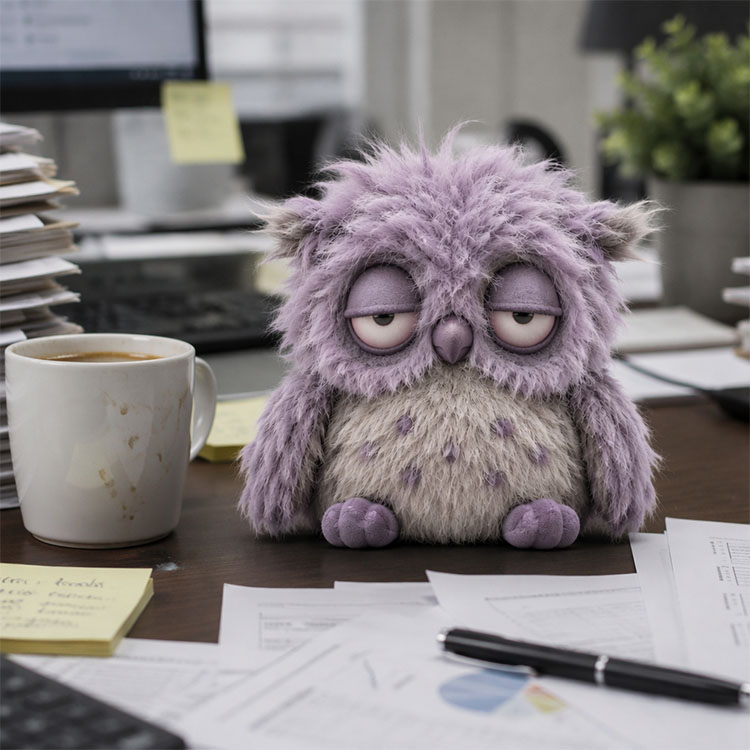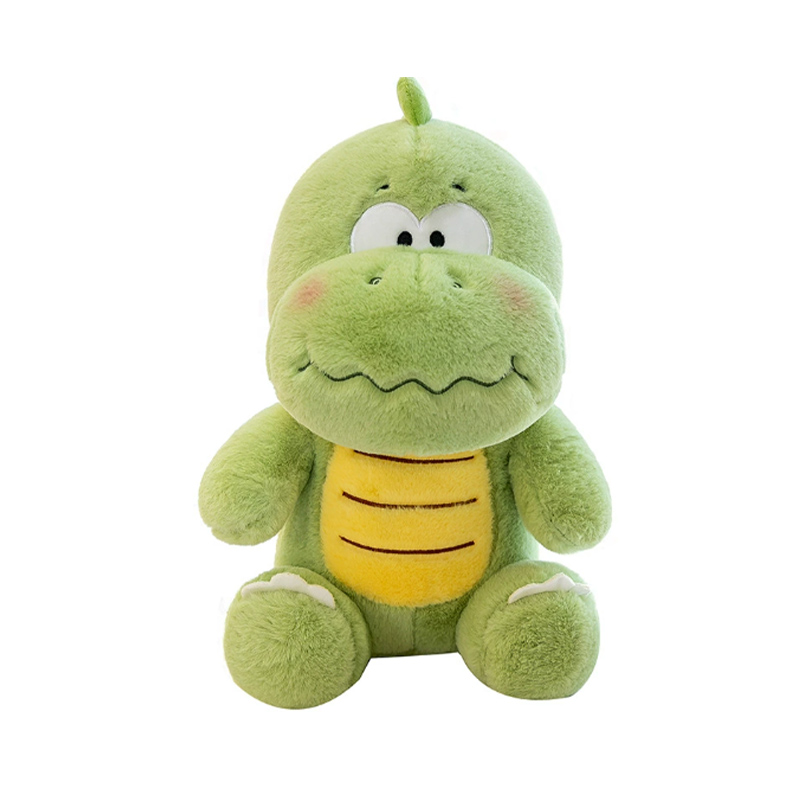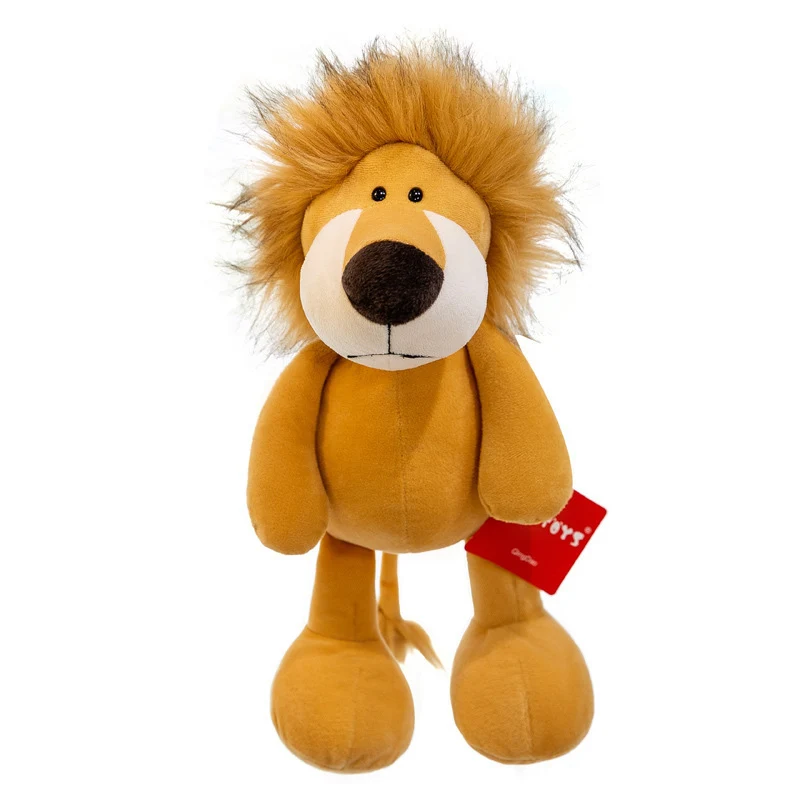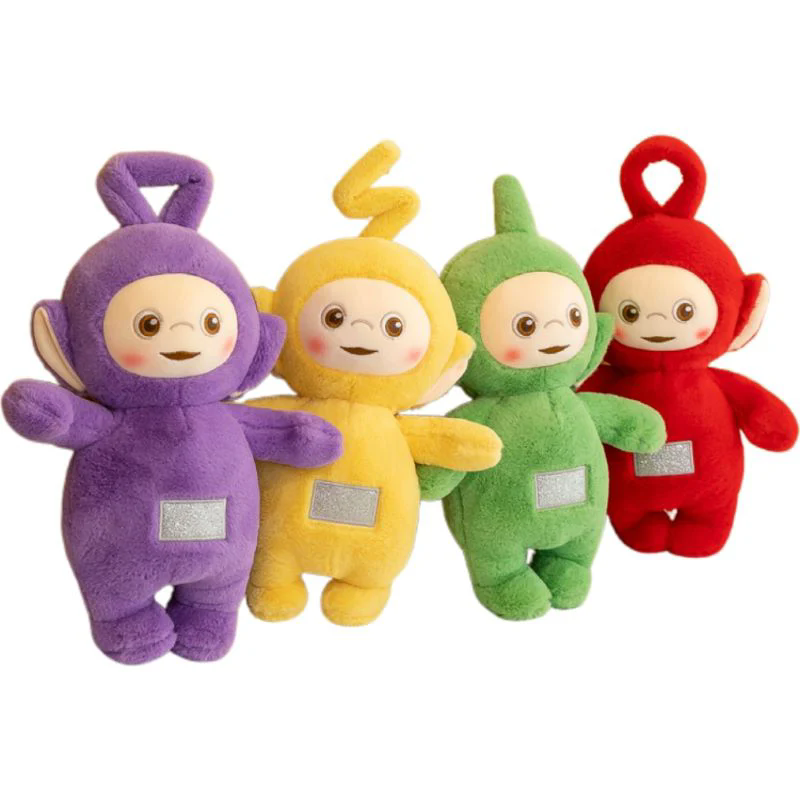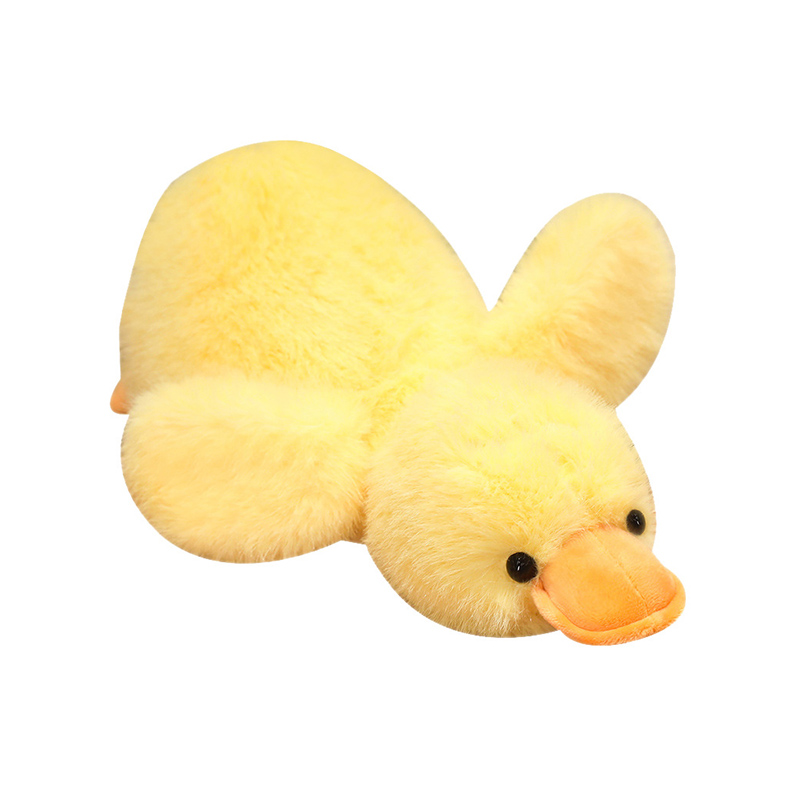
Zebraparty shows why washing animal plush toys incorrectly can damage their fluff, filling, seams, and shape.
An animal plush toy may survive years of hugging and carrying but change noticeably after one careless wash. The surface can become matted, the filling can move away from its original position, and parts such as ears, tails, paws, and facial features can lose their shape. The problem is often not the washing itself. It is the combination of water, friction, detergent, spinning, heat, and drying.
For plush products made from synthetic fabric and PP cotton filling, cleaning needs to account for the entire three-dimensional structure rather than treating the toy like an ordinary piece of clothing.
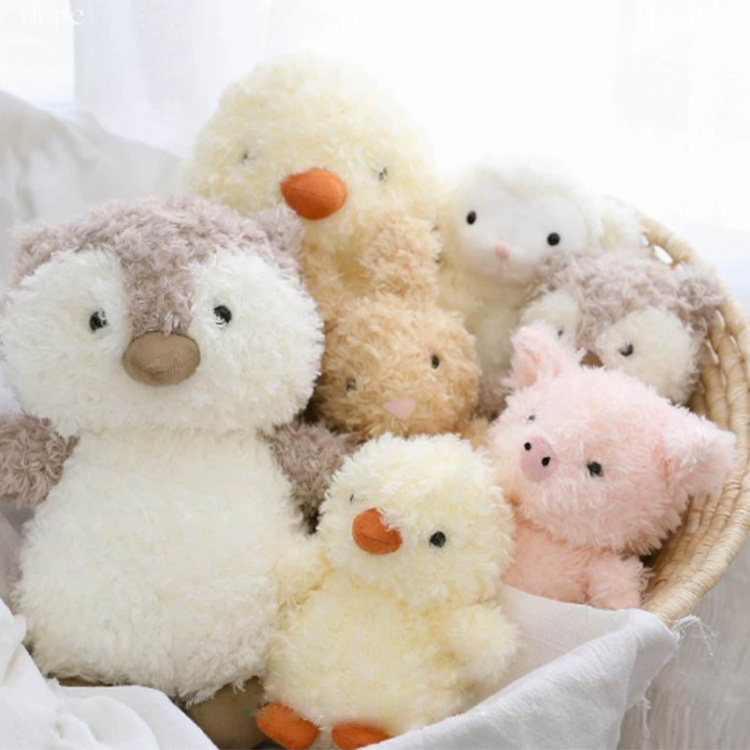
A plush toy contains several connected layers. The outer fabric provides the visible texture, while the filling gives the body its volume and softness. Embroidery, seams, decorative pieces, and sometimes electronic components add further variables.
When a toy becomes wet, the filling absorbs and holds water. This increases its weight and changes how pressure is distributed inside the body. A dry toy can support its own structure relatively easily, but a saturated toy becomes heavier and more flexible.
That difference explains why a toy can come out of the washing machine looking noticeably different from when it went in.
Common changes include:
The larger or more irregular the design, the easier these changes are to notice.
Not every plush product should be submerged in water.
A basic animal plush toy made from fabric, thread, and synthetic filling has a different cleaning requirement from a plush toy containing lights, speakers, batteries, sensors, or other electronic components.
Before choosing a washing method, check:
If an electronic module cannot be removed, soaking the complete product may create a risk of malfunction. Surface cleaning is generally more appropriate unless the construction has been specifically designed for washing.
The washing machine does more than move water through fabric. It repeatedly compresses, twists, and releases the toy.
This movement can push loose filling away from its original position. A rounded body may become flatter on one side, while narrow limbs can become underfilled or twisted.
The outer fabric is also exposed to repeated friction. Long-pile fabrics are particularly sensitive because the fibers can become tangled or pressed in different directions.
A high-speed spin cycle forces water out through rapid rotation. For clothing, this is usually useful. For a three-dimensional plush toy, the same force can create uneven pressure on the internal filling and seams.
A gentler spin is therefore preferable when the product is machine washable.
The goal is not to remove every drop of water immediately. The goal is to remove enough water for safe handling while avoiding unnecessary mechanical stress.
Heat is another common source of damage.
Many animal plush toys use polyester-based fabrics and synthetic filling. Although these materials can tolerate normal household conditions, unnecessary exposure to high temperatures can affect surface texture and the stability of some attached components.
Hot water is also not required for most ordinary plush-toy dirt. Dust, skin oils, food marks, and general surface contamination can often be addressed with mild detergent and controlled washing conditions.
High-temperature drying creates another problem: the toy is exposed to heat while the filling is still wet. Because the internal structure takes longer to dry than the outer surface, the outside may appear dry while moisture remains deep inside.
Using a large amount of detergent does not necessarily produce a cleaner plush toy.
Dense fabric and filling can retain detergent residue if rinsing is insufficient. After drying, the residue may make the surface feel less soft or leave a noticeable smell.
For routine cleaning, a mild detergent in a controlled quantity is generally more suitable. Bleach and aggressive stain removers should not be used unless the material and care instructions specifically allow them.
A concentrated chemical may remove a stain while simultaneously affecting fabric color, embroidery thread, or decorative details.
The surface of a plush toy is part of its tactile character. Excessive rubbing can compress the fibers and change their direction.
This is especially obvious on long-pile plush fabrics.
Instead of repeatedly scrubbing the entire toy, localized cleaning can be used when only a small area is dirty. A soft cloth or suitable soft brush can loosen surface dirt without creating the same amount of friction as vigorous scrubbing.
Wet fibers are more vulnerable to mechanical disturbance. Strong brushing while the surface is saturated can cause the pile to lie unevenly or become tangled.
If brushing is needed, it is better to wait until the surface has dried sufficiently and then work gently in the natural direction of the pile.
The appearance of a plush toy depends heavily on what happens inside it.
PP cotton filling is widely used because it provides volume while remaining lightweight and soft. But its distribution matters. If the filling moves during washing, the external fabric may no longer follow the original shape.
Consider a stuffed animal with a large head and relatively narrow neck. If the filling shifts downward while the toy is wet, the head may become less supported. Once the toy dries in that position, restoring the original shape may require manual redistribution of the filling.
This is why reshaping should begin during drying rather than after the toy has completely hardened into a distorted form.
Twisting a wet plush toy may seem like an efficient way to remove water, but it creates uneven forces throughout the body.
For example, twisting a long-bodied animal can move filling from one end toward the other. Twisting a toy with thin limbs can also place additional tension on the seams where those limbs are attached.
A better approach is to press the toy gently with a clean towel to remove excess water.
Do not lift a saturated plush toy by one ear, arm, leg, or tail. The wet filling adds weight, and that weight is concentrated on a small attachment point.
Many washing problems actually become visible during drying.
If a plush toy is left lying in one position while wet, the filling may settle unevenly. If it is placed under strong heat, the surface may dry much faster than the interior. If it is stored before the inside is fully dry, moisture can remain trapped in dense filling.
A more controlled drying process includes:
| Step | Purpose |
|---|---|
| Remove excess water with a towel | Reduces weight without twisting |
| Restore the basic shape | Prevents drying in a distorted position |
| Support heavy sections | Reduces stress on seams |
| Place in a ventilated area | Helps moisture escape |
| Turn periodically | Reduces uneven drying |
| Check the interior before storage | Prevents residual moisture |
Complete drying matters because moisture trapped inside the filling can lead to odor and an unpleasant texture.
A flattened toy is not necessarily permanently damaged.
First, allow it to dry completely. Then gently pat, shake, and redistribute the filling by hand. Areas with compressed PP cotton may need repeated light manipulation rather than one strong adjustment.
For a plush toy with long surface fibers, a soft brush can help separate compressed fibers after drying.
However, there is a limit to what cleaning can restore. If the filling has become permanently compacted, a seam has stretched, or the fabric pile has been physically damaged, reshaping alone may not return the original condition.
This is why prevention is easier than repair.
There is no single washing method suitable for every plush product.
A small, simple animal plush toy can tolerate conditions that may be unsuitable for a large character-shaped design with multiple protruding parts.
The construction should be considered alongside the intended use.
| Plush Construction | Main Concern During Cleaning | Suitable Focus |
| Small simple plush | Surface dirt and general wear | Gentle washing |
| Long-pile plush | Fiber matting | Low friction |
| Large stuffed animal | Heavy wet filling | Careful handling and drying |
| Plush with embroidery | Thread and surface damage | Gentle brushing |
| Plush with attached accessories | Loosening or impact | Controlled washing |
| Electronic plush | Water exposure | Surface cleaning or removable components |
This distinction becomes particularly important for Animal Plush Toys with unusual proportions or additional functions.
Yes. Even when every washing cycle is performed correctly, repeated exposure to water and mechanical movement can gradually affect fabric and filling.
That does not mean plush toys should never be washed. It means full washing should be used when necessary rather than as the only maintenance method.
For light dust, brushing or gentle surface cleaning may be enough. For a small localized stain, spot cleaning can avoid soaking the entire toy. Full washing is more appropriate when dirt has spread across the surface or when the product's care instructions recommend it.
Reducing unnecessary wash cycles can help preserve the original surface texture and internal filling distribution.
The ability to maintain a plush toy is partly determined before the first wash.
Fabric selection, filling density, seam placement, embroidery, accessory attachment, and internal components all influence how the product responds to cleaning.
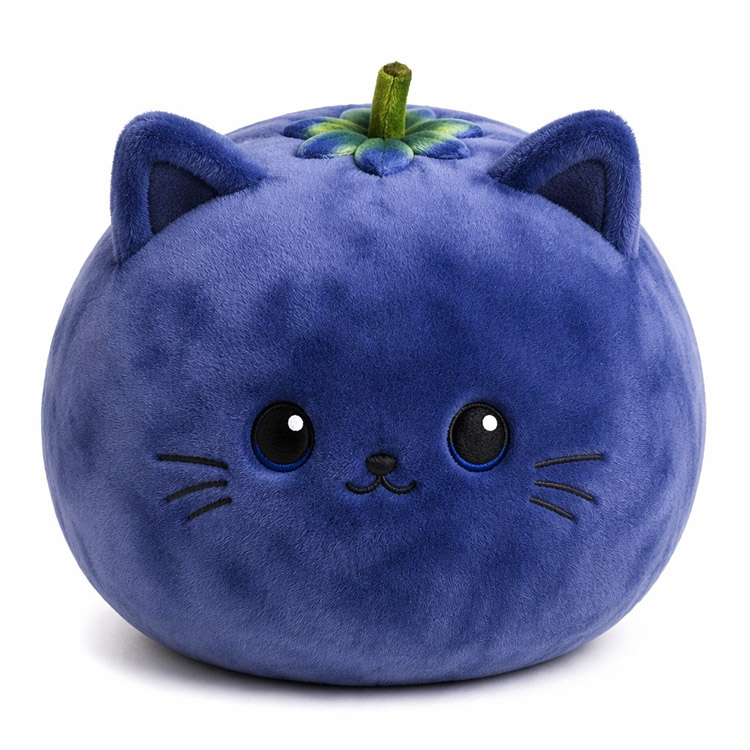
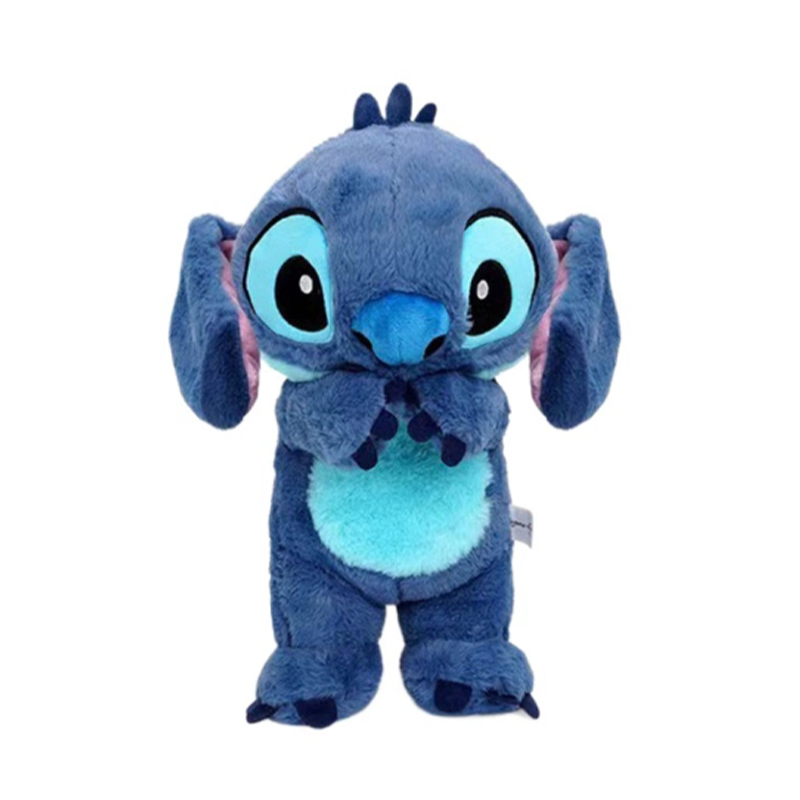
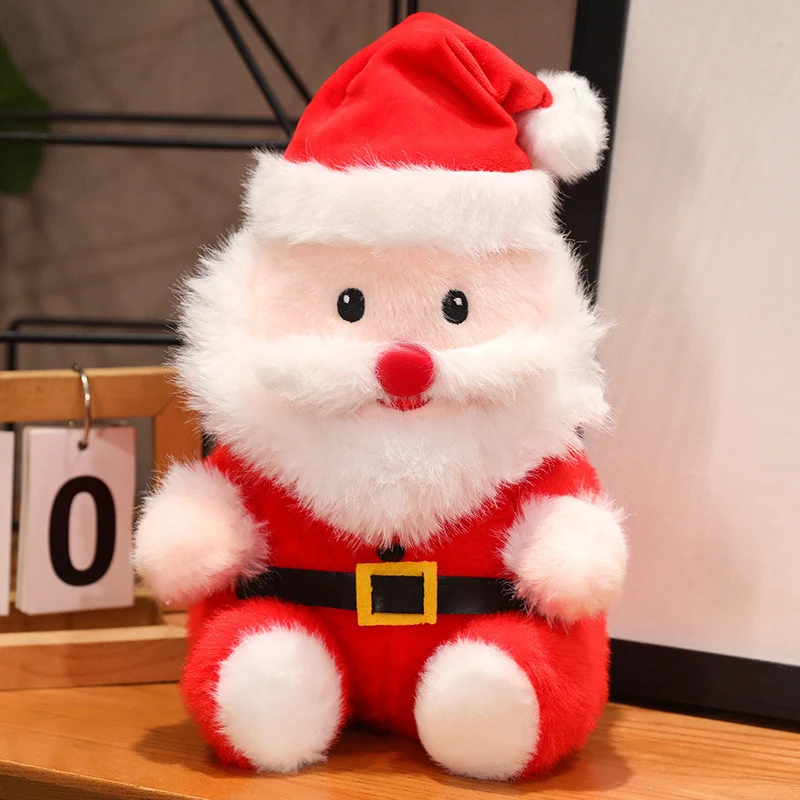
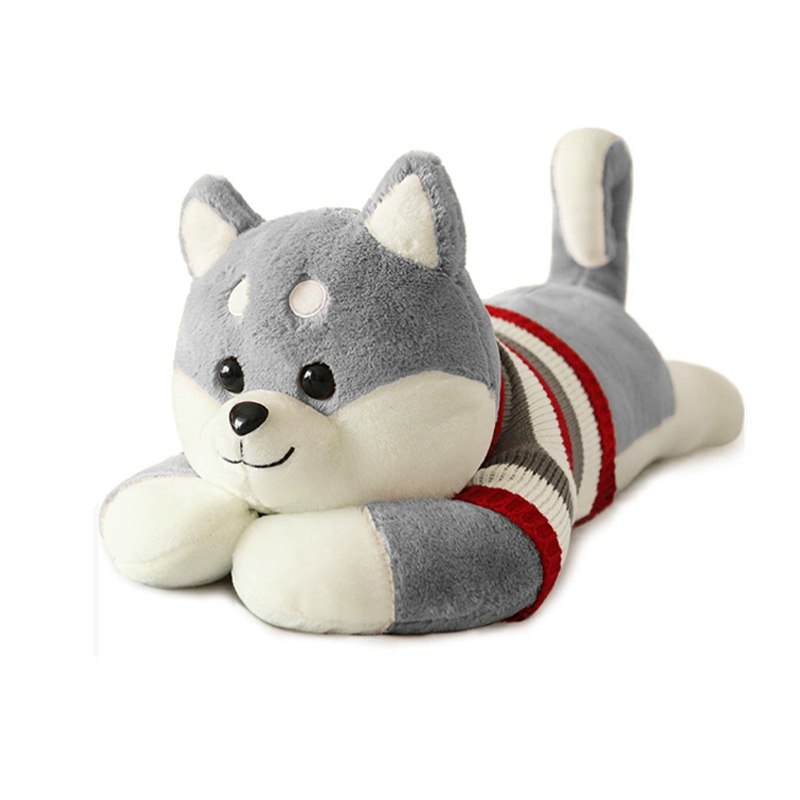
For Cartoon Plush Toys, these factors become more noticeable when the design includes oversized heads, thin limbs, long ears, tails, or other exaggerated features. A character can look balanced when new but become visibly asymmetric if the internal filling shifts during washing.
Manufacturing processes also need consistent control over cutting, sewing, stuffing, and inspection because uneven filling or weak seams can make later cleaning more difficult.
The safest approach to washing animal plush toys is not complicated: check the construction first, use mild cleaning conditions, avoid unnecessary friction and heat, protect the toy while it is wet, and reshape it before it dries completely.
The same principles explain why fabric, PP cotton filling, seam construction, and product structure need to be considered together rather than separately. A plush toy is a three-dimensional object, and its cleaning method should protect both the visible surface and the structure underneath.
For Zebraparty Toys from Baoding Yuankang Toy Manufacturing Co., Ltd., product lines including Animal Plush Toys and Cartoon Plush Toys use fabric, PP cotton filling, embroidery, sewing, and selected functional components. Understanding how these materials respond to washing provides a practical basis for maintaining softness, appearance, and shape throughout regular use.